I design production software for early stage companies, where the product has to win users and investors at the same time. At Ohi that meant being the founding designer who shipped the investor deck and the production MVP from one component system.
Role
Founding product designer, reporting to the CEO
$2.78mseed funding closed on the MVP
↓35%release cycles after the component library shipped
The problem
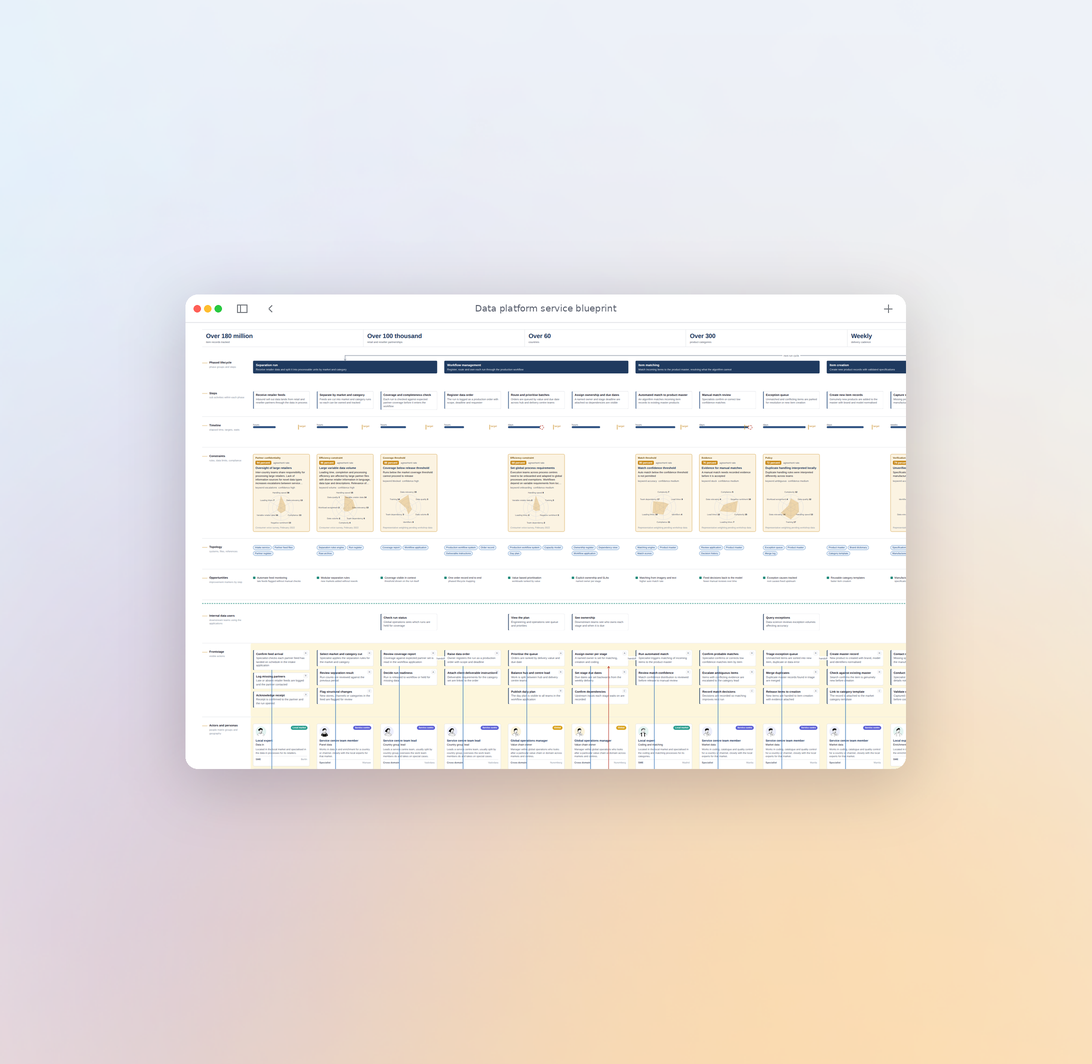
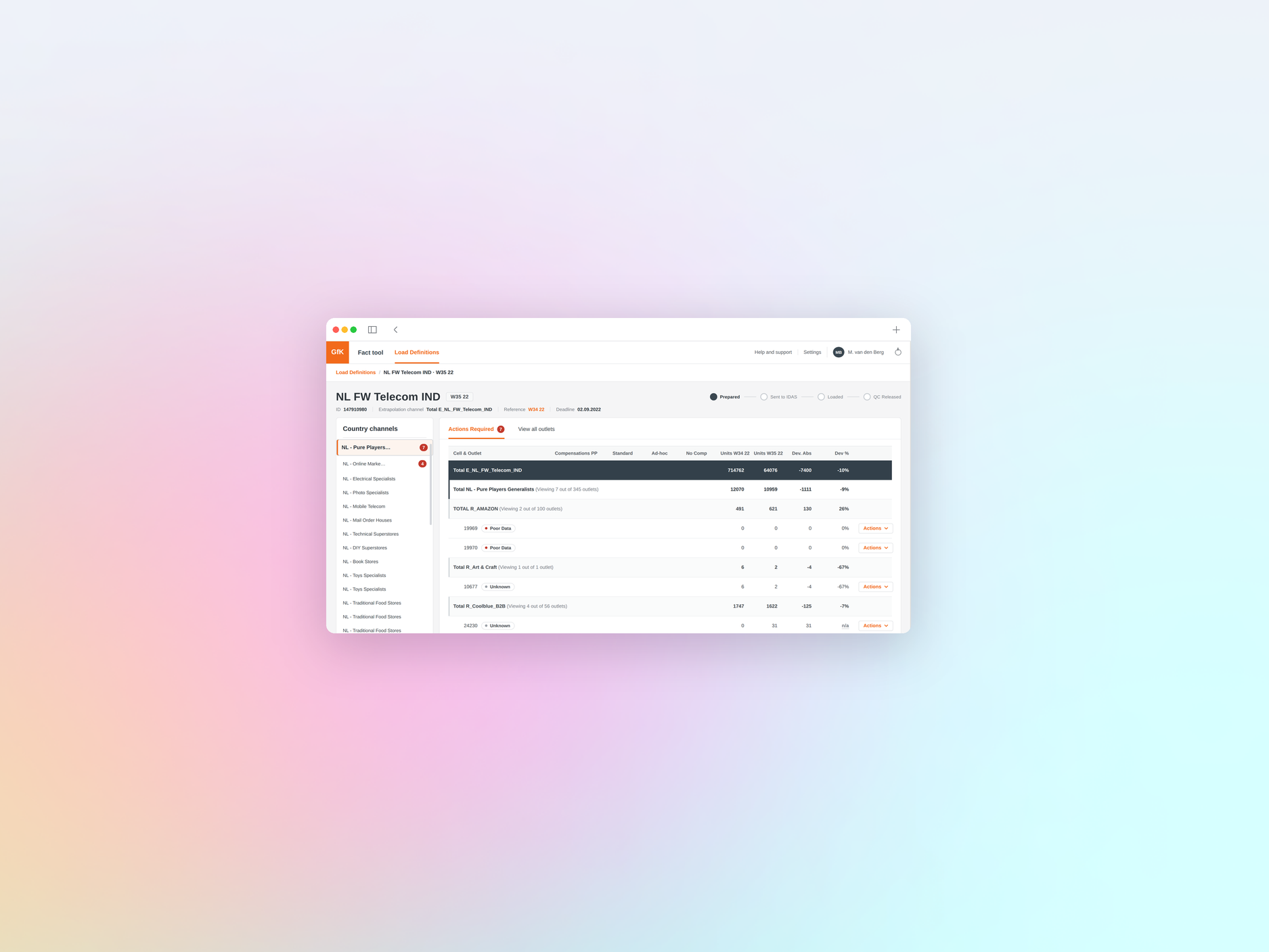
Ohi is a US fulfilment startup pitching two hour delivery as a growth engine for ecommerce brands, a two sided marketplace connecting brands with local fulfilment hubs and last mile carriers across order intake, inventory allocation, courier dispatch and delivery tracking. There was no system yet. A pre seed company with a thesis, a CEO and a fundraising deadline needed real software that brands could use and investors could diligence, built to survive iteration across rounds. The console below is that software, ten screens across four journeys, from connecting a store to reading the carrier report.
The brand console across four journeys, onboard and stock, monitor, manage orders and carrier insight, from the first Shopify connection to the carrier report. Drag to pan. Use the toolbar or scroll to zoom. Use the X button to close.
Constraints
The MVP had to meet four conditions. Investor credible by a fixed funding window, so every decision was time bound by the next round. Production software, because a Figma click through would not survive due diligence. Built from nothing, no precedent, no library, no patterns, so every component was either reusable foundation or future tech debt. And useful to two audiences at once, brands needing operational visibility and customers needing a delivery worth remembering.
Build the deck and the product as one artefact
The default move at seed stage is to split the work, a pitch deck for investors and a scrappy product for users. I refused the split. The deck and the MVP shared one brand system, one component library and the same screens, so the dashboard investors saw on slide 14 is the dashboard in the console above. At pre seed, design is the demo, and investors triangulate credibility across both. The deck closed the round, and the same components were running in production by week one.
Build the system before the second feature
After the first dashboard shipped, the obvious next step was the second feature. I built the component library instead, a Figma source of truth with tokens, governance rules and a squad aligned on a component led approach. Every screen in the console above is drawn from that one kit, six type voices, one colour system, one map. It cut engineering rework by 35%, brought design to development handover from 90 days to 7, and every later feature shipped against the system rather than around it.
Make tracking a brand moment, not a status page
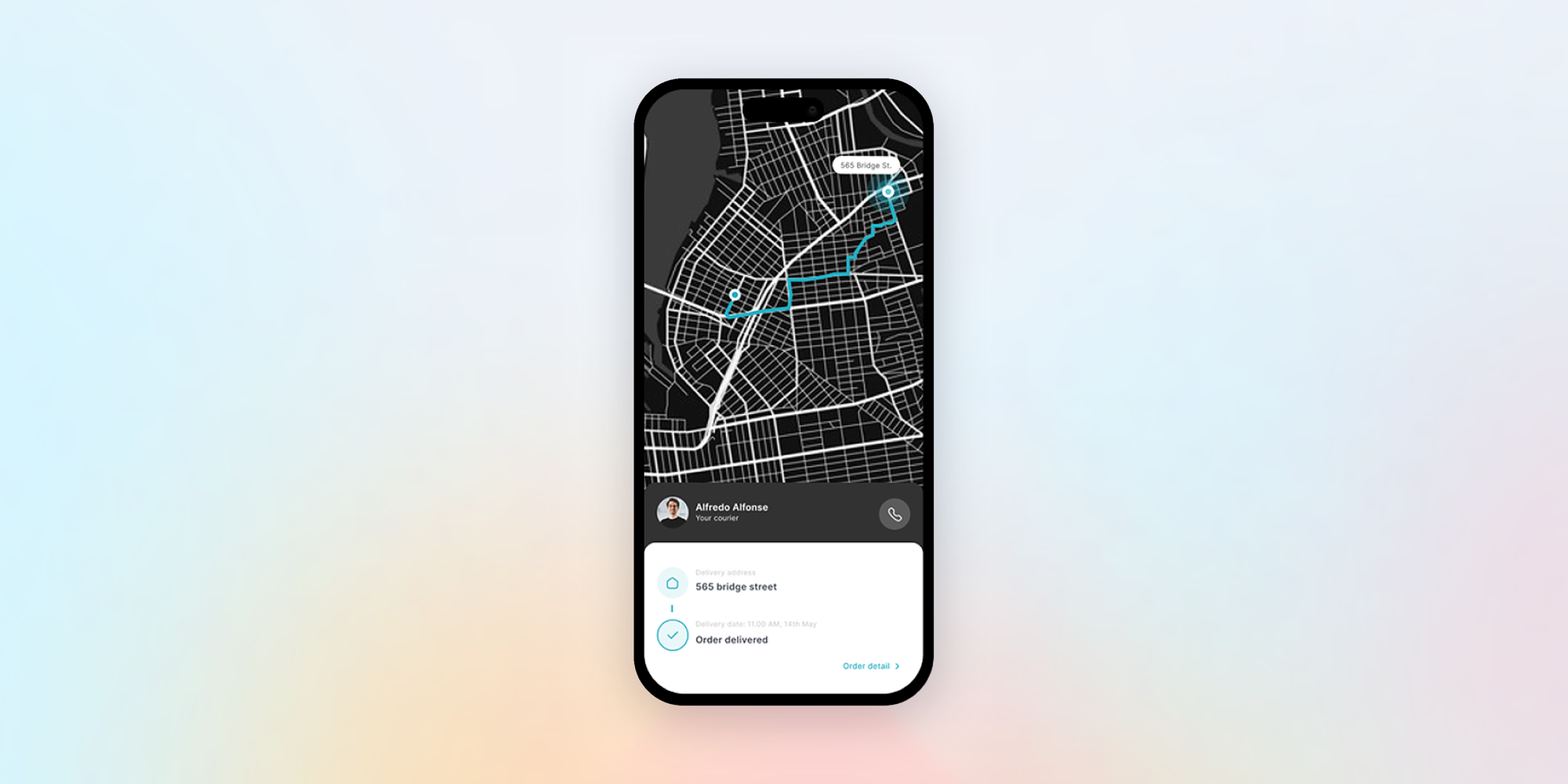
The brand side was operational, orders, inventory, carriers and throughput. The customer side could have been a status page with timestamps and a courier name. I designed it as a brand moment instead, a live street map with the courier's position, proof of delivery and a one tap rating that feeds carrier performance. Ohi's pitch was that fulfilment could shift from cost centre to growth engine, and the customer's last interaction had to prove it. The tracking below follows one order three ways, through the ops live view, the customer page and the phone. It contributed to the 34% year on year growth shown on the growth dashboard.
One delivery followed end to end, from the ops live view through the customer page to the phone, closing with proof of delivery and a rating. Drag to pan. Use the toolbar or scroll to zoom. Use the X button to close.
Payoff
The MVP closed Ohi's seed round and set the operational foundation for the rounds that followed. The deck and the product earned it as one artefact.
$2.78m seed round closed on the MVP
Release cycles down 35% after the component library shipped
Engineering rework cut by 35%
Design to development handover from 90 days to 7
34% year on year growth from new brand partnerships